Dividing perennials
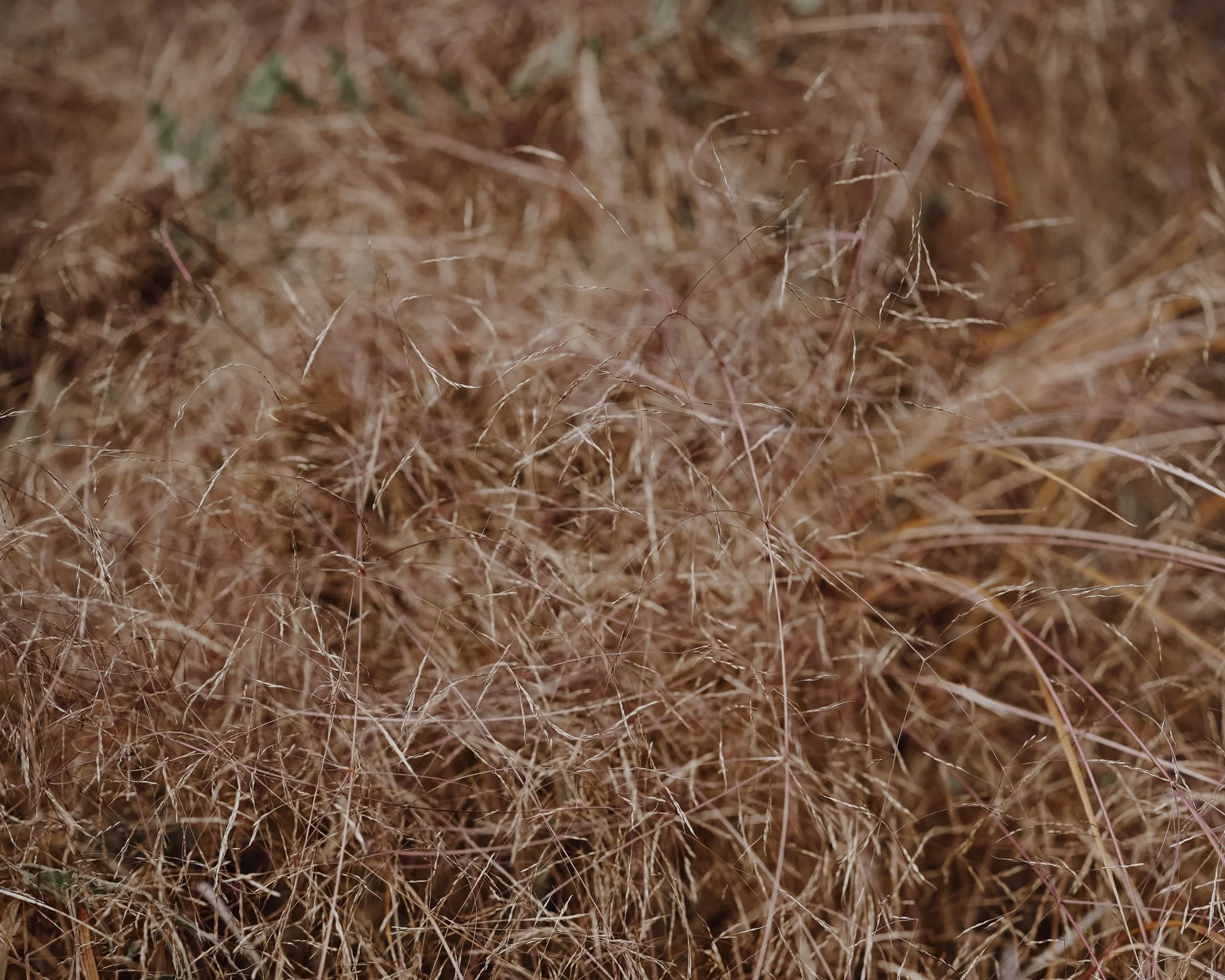
Go through your established plants, looking for any that are looking nice and chunky. Top tip, if you go scouting round nurseries and garden centres around now, you might be able to find plants big enough to divide. Spend what you saved on sweet pea seed.
HOW
Get a spade (easier than a fork for this I find) and go all the way round the plant and then under, lifting the plant out in as big a clump as you can.
Use the spade (or a bread knife), saw the plant into chunks, keeping a bit of root and a bit of leaf on each bit. Big bits can go straight back in the ground, but if you have some smaller, rather straggly looking ones, you can always pot them up and grow them on under cover and put them out in spring.
WHAT
The willing ones
· Geranium (hardy cranesbills) – practically beg to be divided; quick to re-root.
· Hosta – divide once the leaves yellow; they’ll settle nicely before frost.
· Daylilies (Hemerocallis) – ideal now; divide every 3–5 years.
· Peonies (herbaceous) – late September only, with great care; they resent disturbance but this is the one moment they’ll forgive you. Maybe.
· Iris germanica (bearded iris) – after flowering (Aug–Sept) but before frost; trim fans to 6 inches.
· Phlox paniculata – divides beautifully in September–October; reduces mildew too.
· Achillea – early autumn divisions keep them floriferous.
· Leucanthemum (Shasta daisy) – tidy up and split while soil’s warm.
· Nepeta (catmint) – responds beautifully to division now; quick to re-establish.
· Sedum (Hylotelephium spectabile) – lift after flowering and split for fresh, upright growth next year.
Perennials that DO NOT like being divided in autumn
These tend to flower in late summer or autumn. They’re still actively growing, and need spring warmth to root after division.
· Rudbeckia – best divided in spring once new growth shows.
· Asters (symphyotrichum) – divide clumps every few years to prevent congestion.
· Helenium – divide in spring for sturdier plants; prevents flopping.
· Coreopsis –early spring.
· Echinacea – only if clumps are large; early spring is best.
· Echinops (globe thistle) – detests cold, wet roots post-division.
· Perovskia (Russian sage) – hates disturbance; divide in spring if you must.
· Gaura (Oenothera lindheimeri) – short-lived and sulky; never divide.
· Penstemon – divide or propagate from cuttings in spring, not autumn.
· Crocosmia – split corms in spring; they dislike winter wet.
· Verbena bonariensis – self-seeds anyway; divisions in autumn often rot.
· Agapanthus – prefers spring division once growth begins.
· Kniphofia (red hot poker) – early spring only; vulnerable to rot in cold soil.
· Salvia nemorosa and its kin – spring, always spring.
· Heuchera – hates cold, wet soil on new roots; spring division only.
· Dahlias (tubers) – store dry over winter; divide before planting in spring.
What about grasses? Cool-season grasses (autumn-friendly division)
These start growing early and can handle an autumn split because they’ll root before winter.
Divide September–October.
· Deschampsia (tufted hair grass)
· Festuca glauca (blue fescue)
· Helictotrichon (blue oat grass)
· Luzula (woodrush)
· Carex (sedges) — most are happy now
Warm-season grasses (spring only division)
These start growing late (often not until May), so if you divide them in autumn they’ll just sit and sulk, then rot.
Divide April–May when new shoots appear.
· Miscanthus
· Panicum (switchgrass)
· Pennisetum (fountain grass)
· Molinia (moor grass)
· Calamagrostis ‘Karl Foerster’ (some gardeners do in autumn, but spring is safer if you’re in a cold area)
A note on peonies:
Peonies are magnificent, long-lived, but they hate being moved. Still, if you must divide or reposition them (and sometimes one must), early autumn is the only time they’ll forgive you.
Timing: Late September to mid-October, while the soil is still warm but before frost. When the leaves are yellowing and the plant is going into dormancy, that’s your cue.
How to
· Lift carefully with a fork, not a spade — they snap like meringue.
· Wash the crown gently to see the eyes (the pink buds).
· Use a sharp knife to divide so each piece has 3–5 eyes and some fat roots.
· Replant at the same depth; too deep and they won’t flower.
· Aftercare: Water once, then leave alone. Do not fuss. Peonies hate fuss.
Rule: Divide only when necessary (every 10–20 years, truly). If they’re happy, leave them be.